Lecture Notes 27: More Computational Complexity ( P and NP)
Outline
This class we’ll discuss:
- P and NP
A Slideshow:
GUIDED NOTES (Optional)
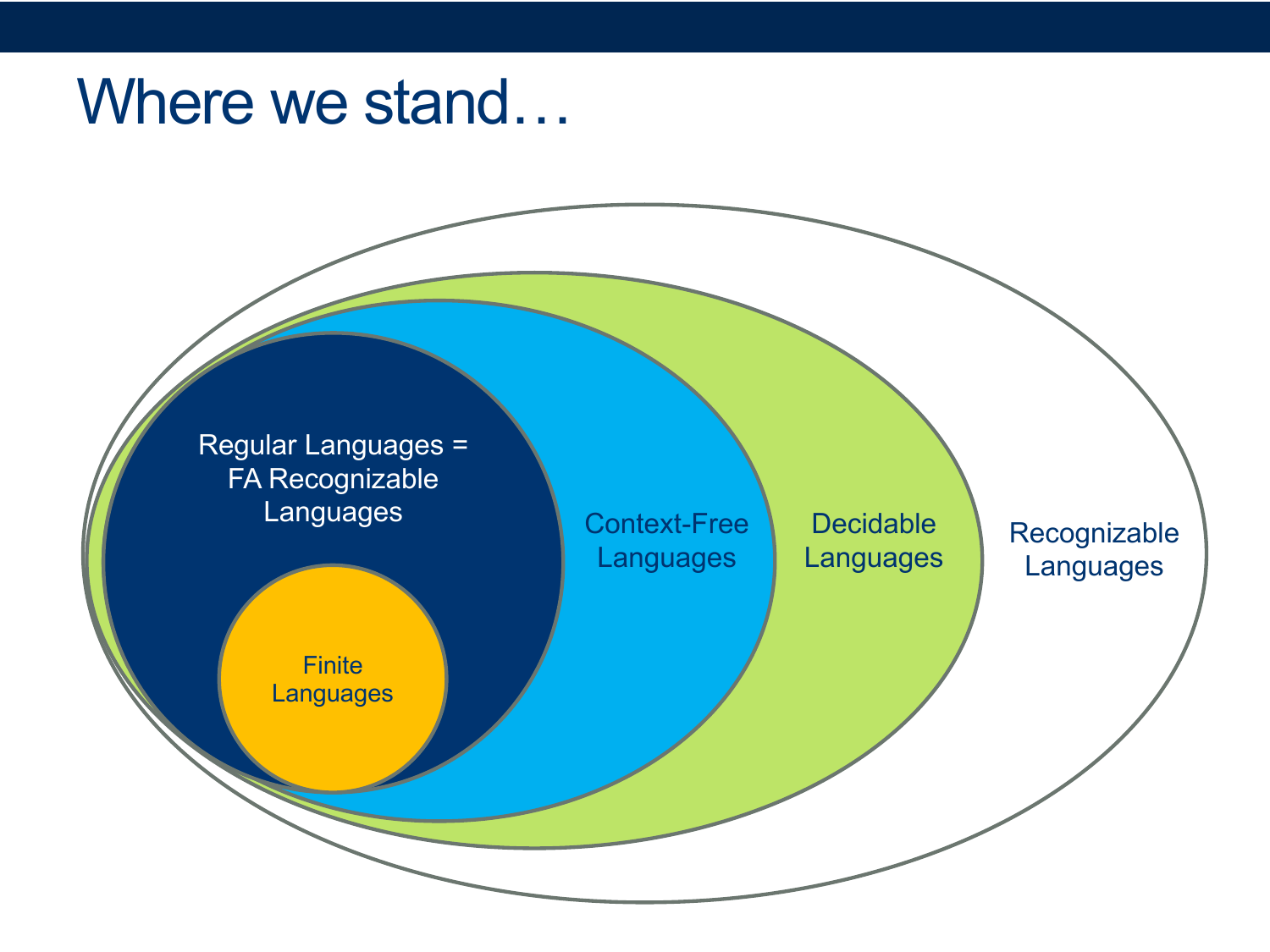
Recap: Computational Complexity
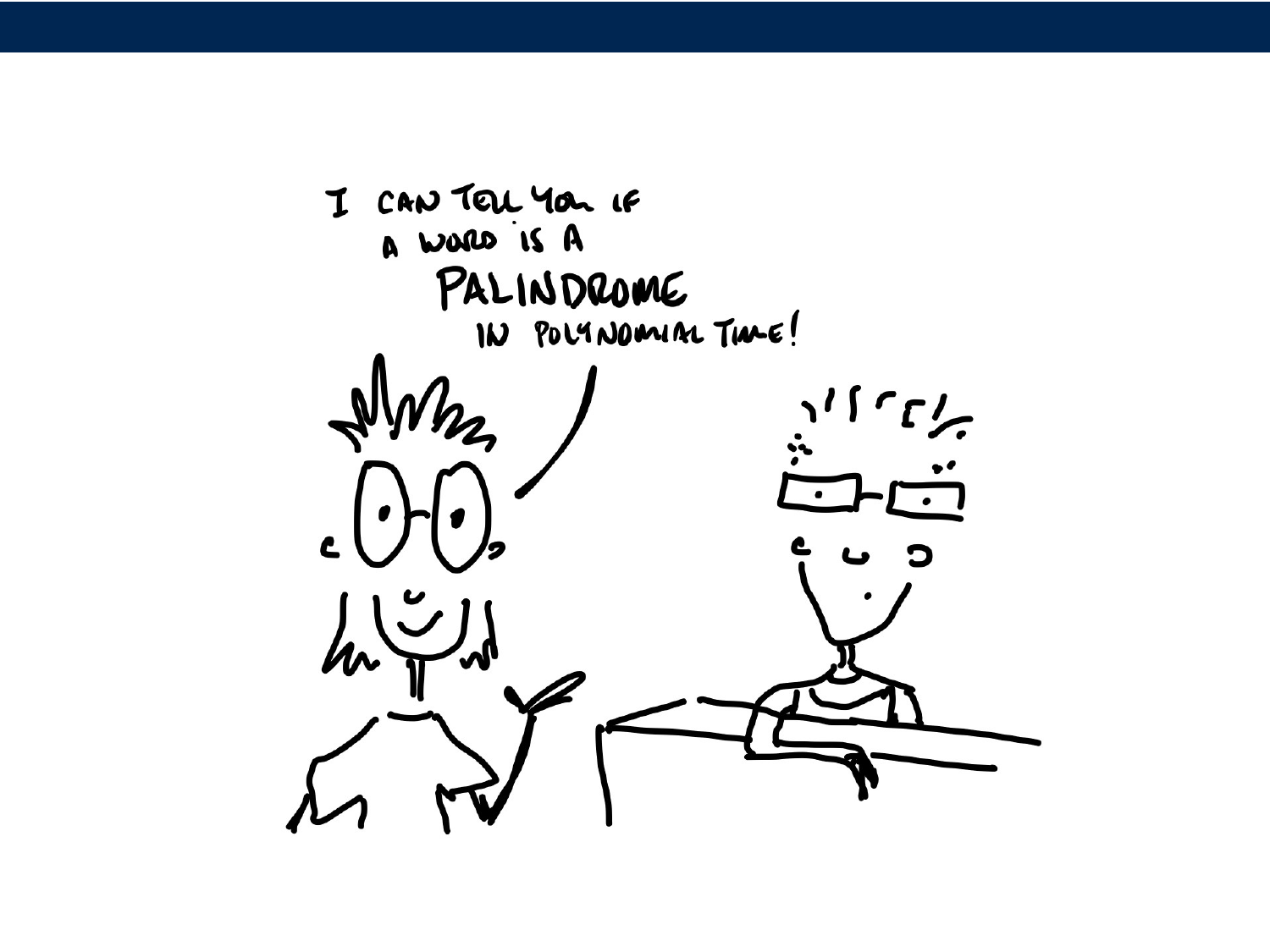
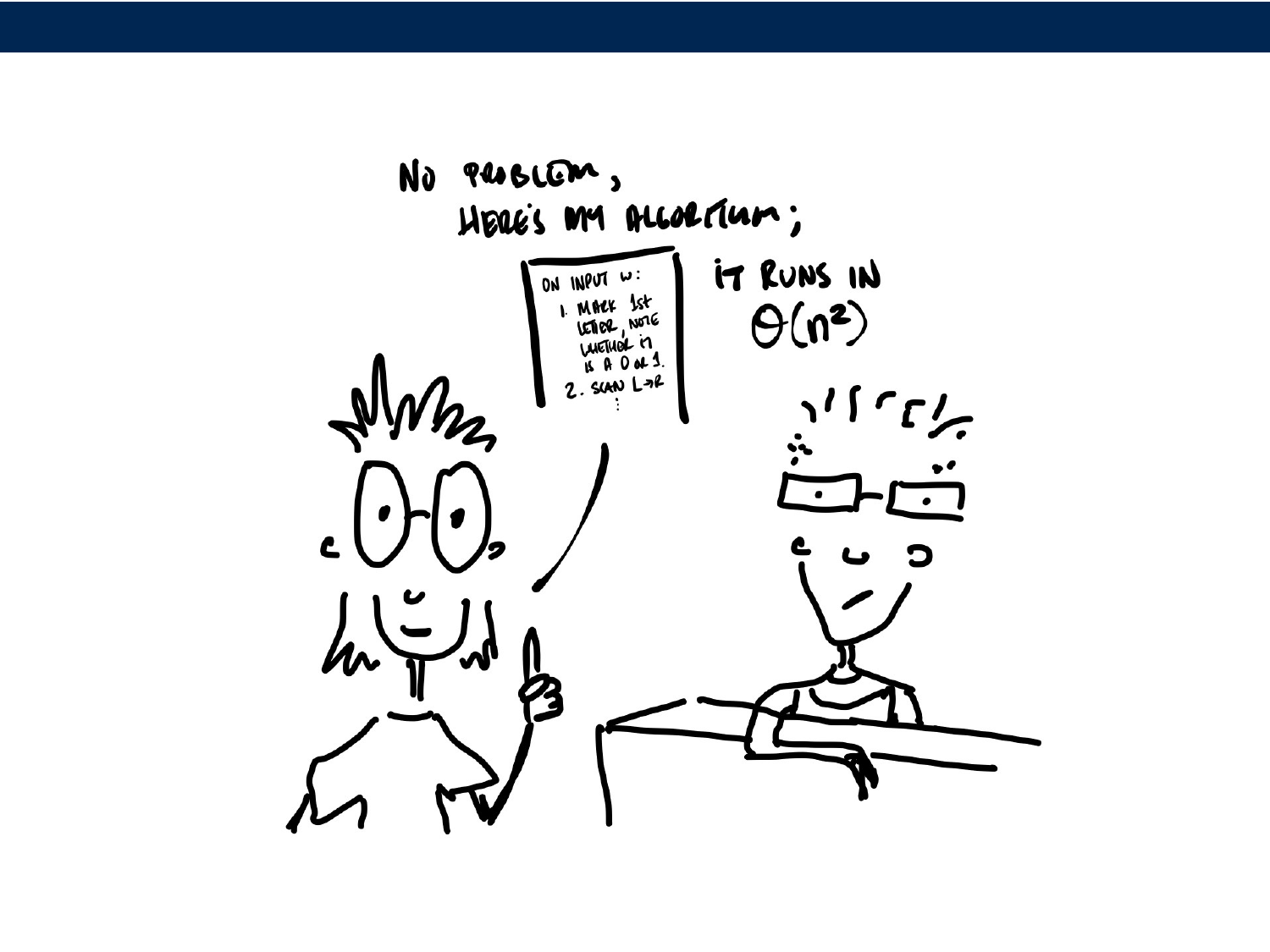
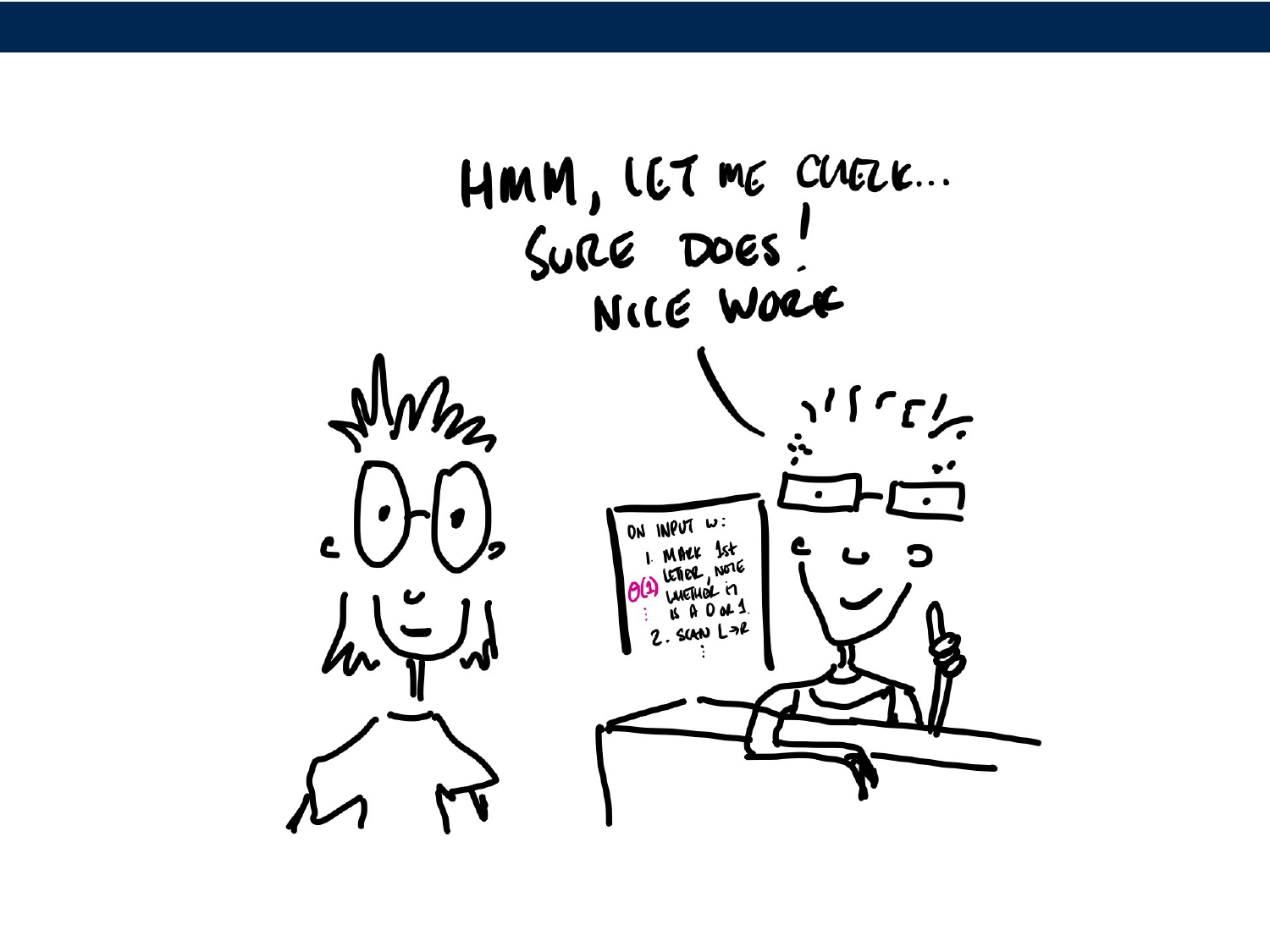
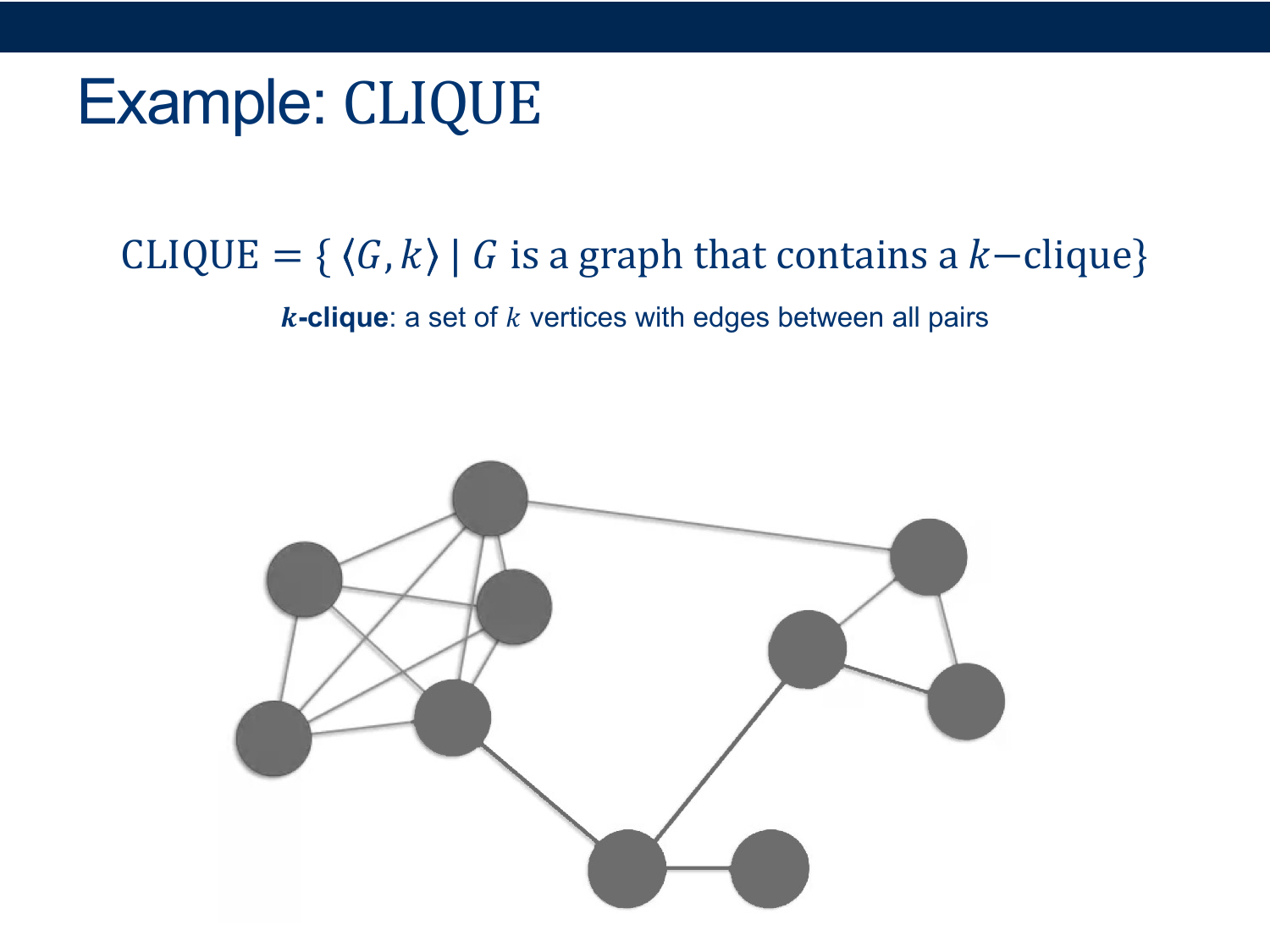
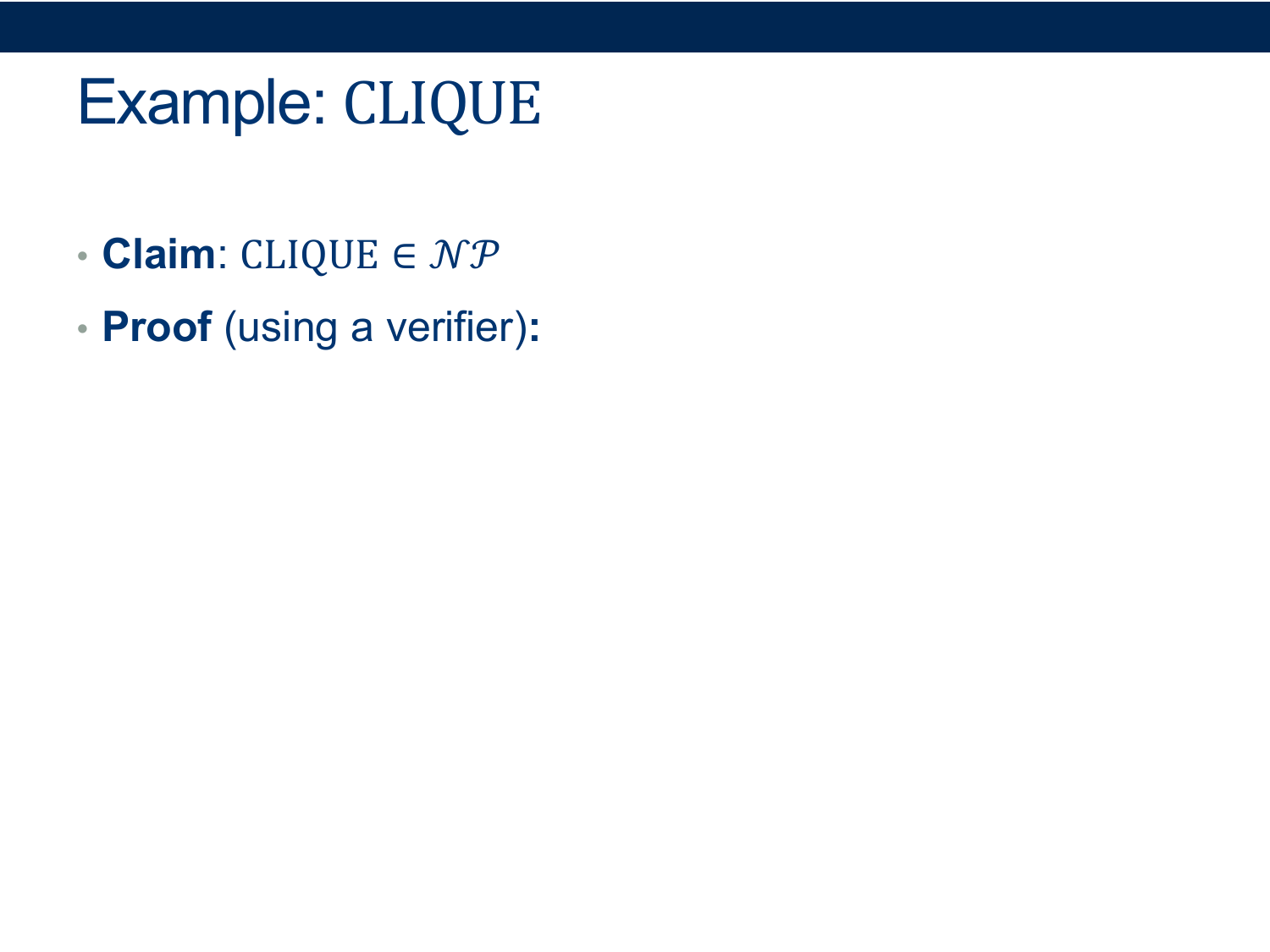
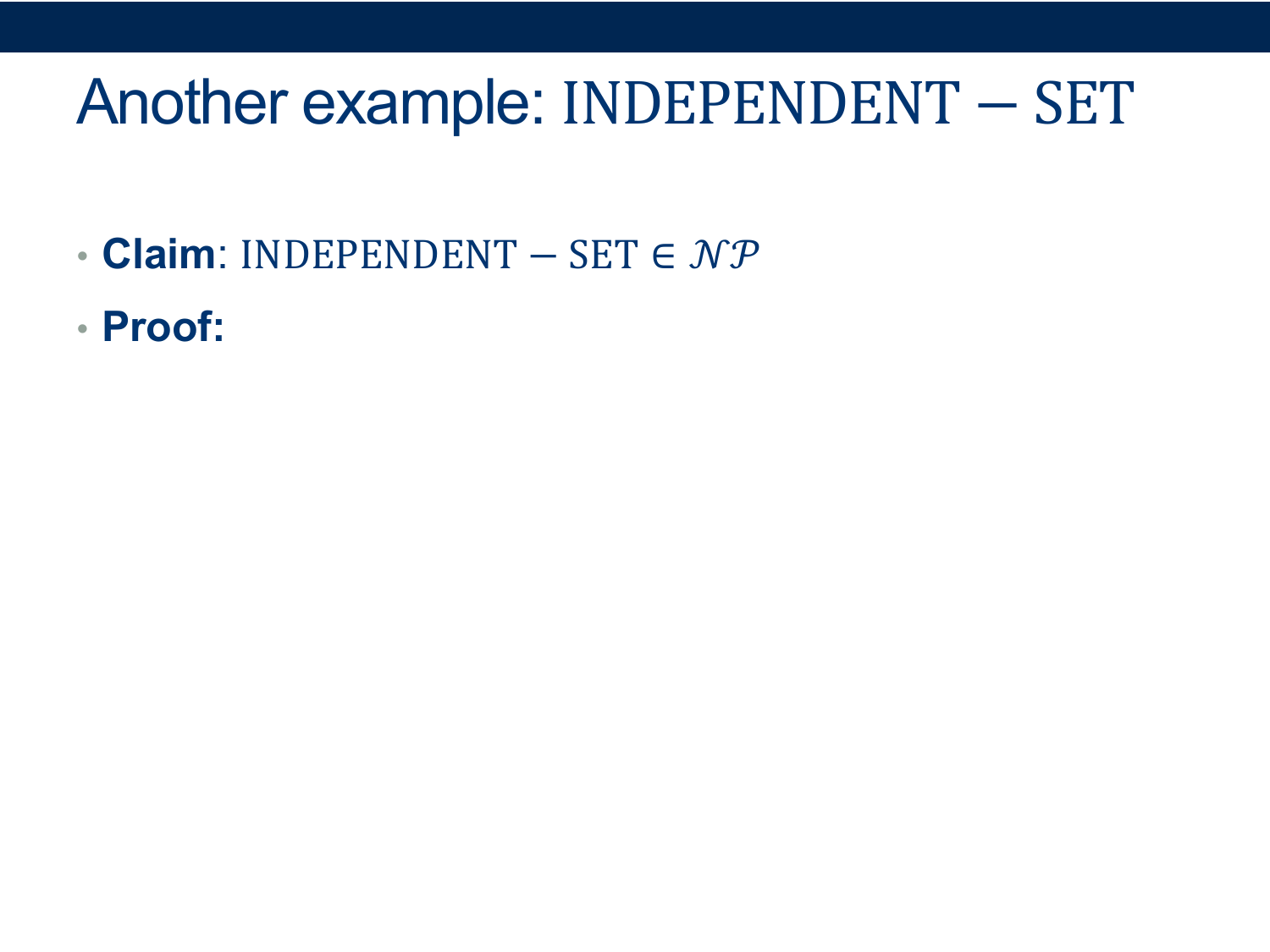
Activity 1 [2 minutes] How would you Prove this?:
answer:
(Wait; then Click)
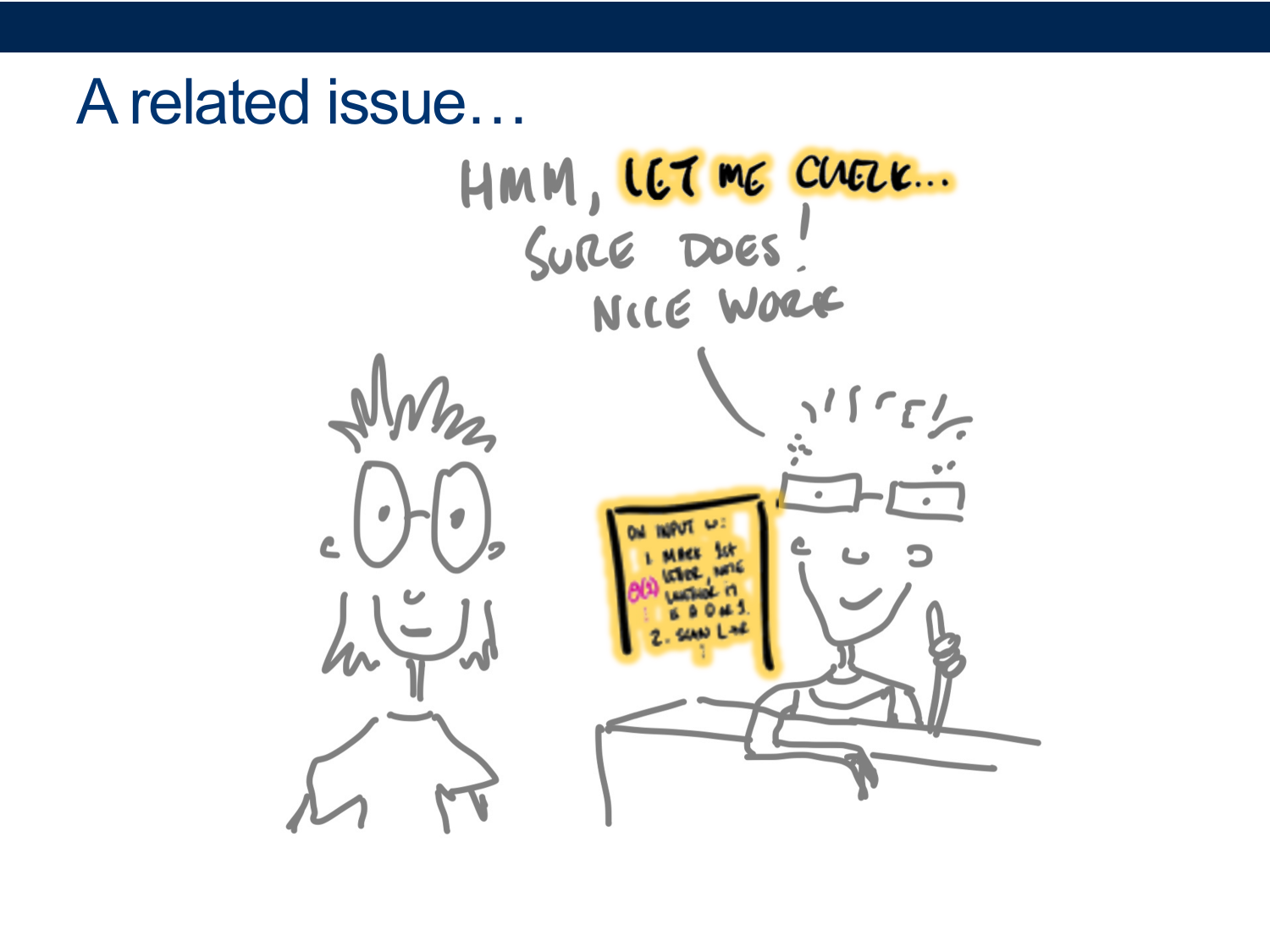
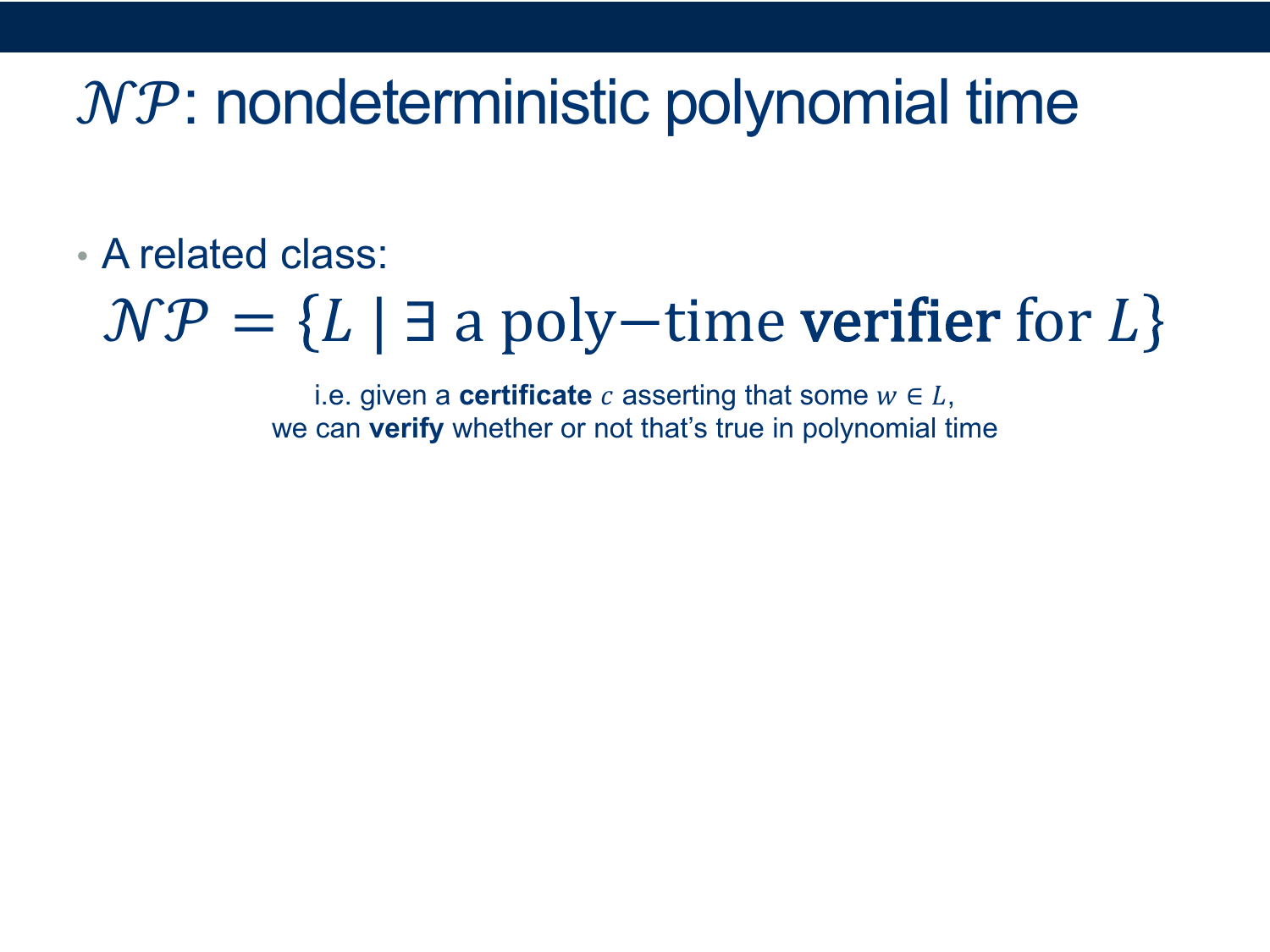
To show a language is in NP using a verifier:
- Specify a certificate that can be used with a verifier to decide the language.
- Give a verifier that uses that certificate to verify membership in the given language.
- Prove that the language recognized by the verifier is the given language and that the verifier runs in polynomial time.
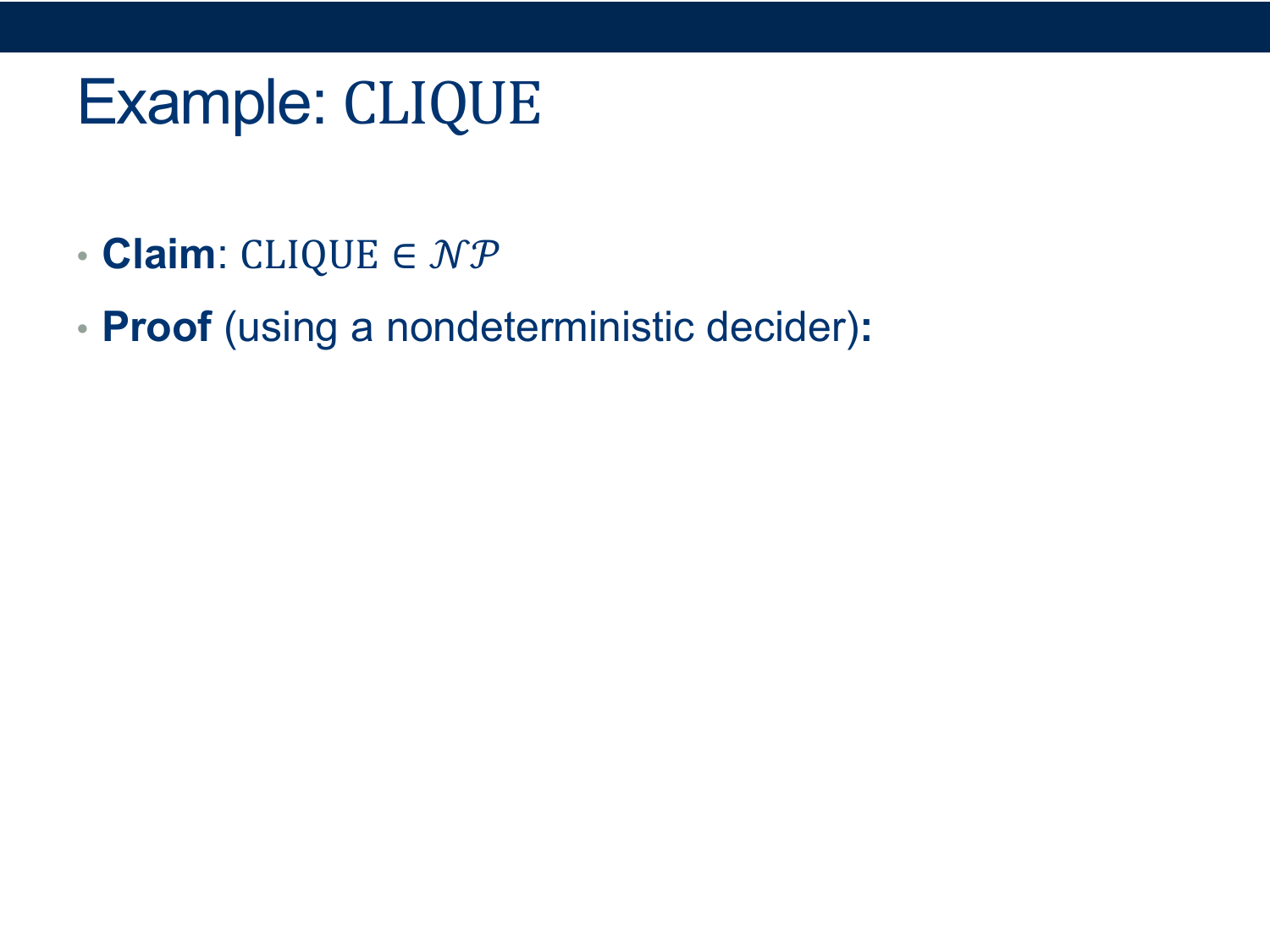
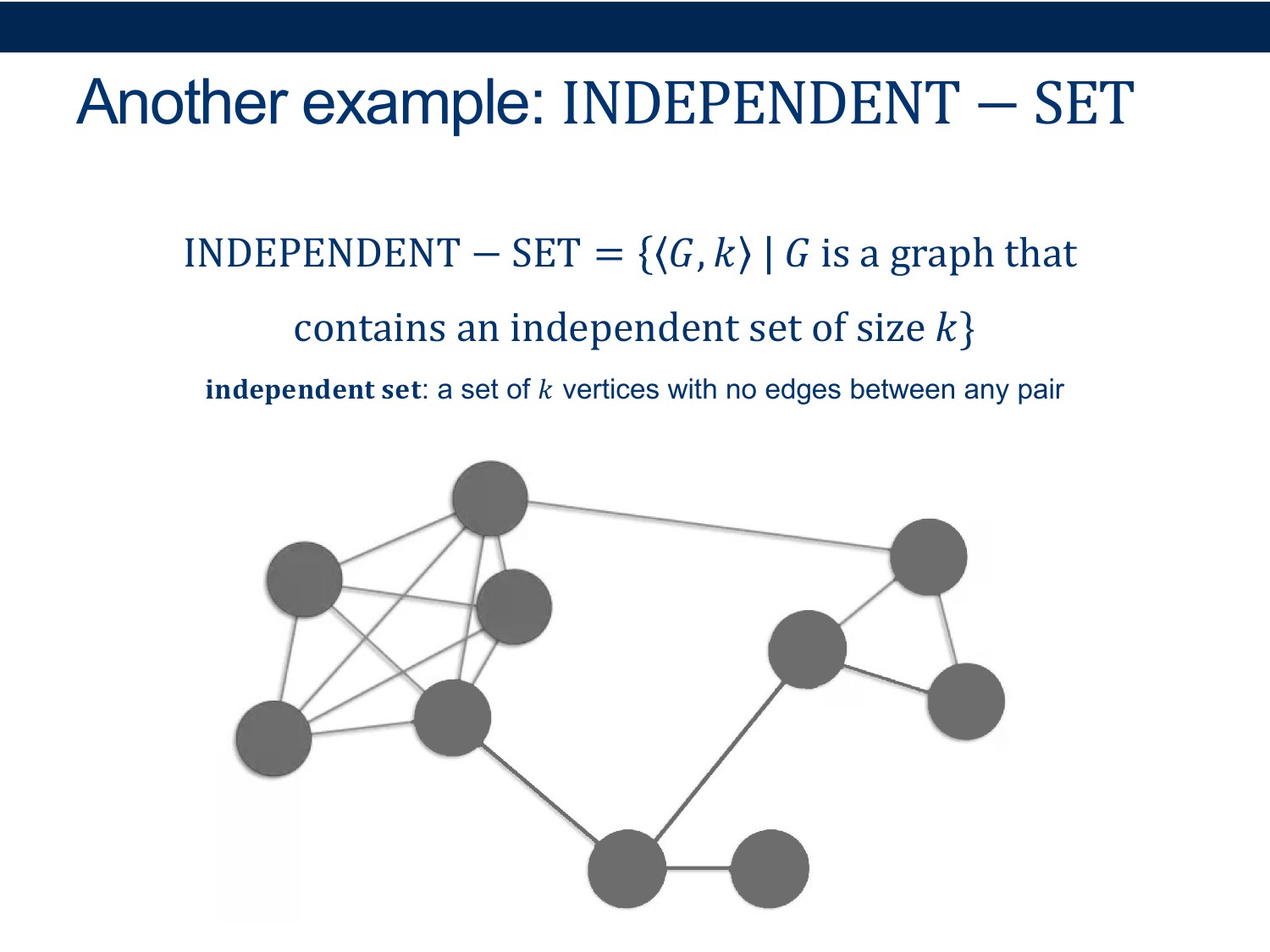
Activity 2 [2 minutes] How would you Prove this?:
answer:
(Wait; then Click)
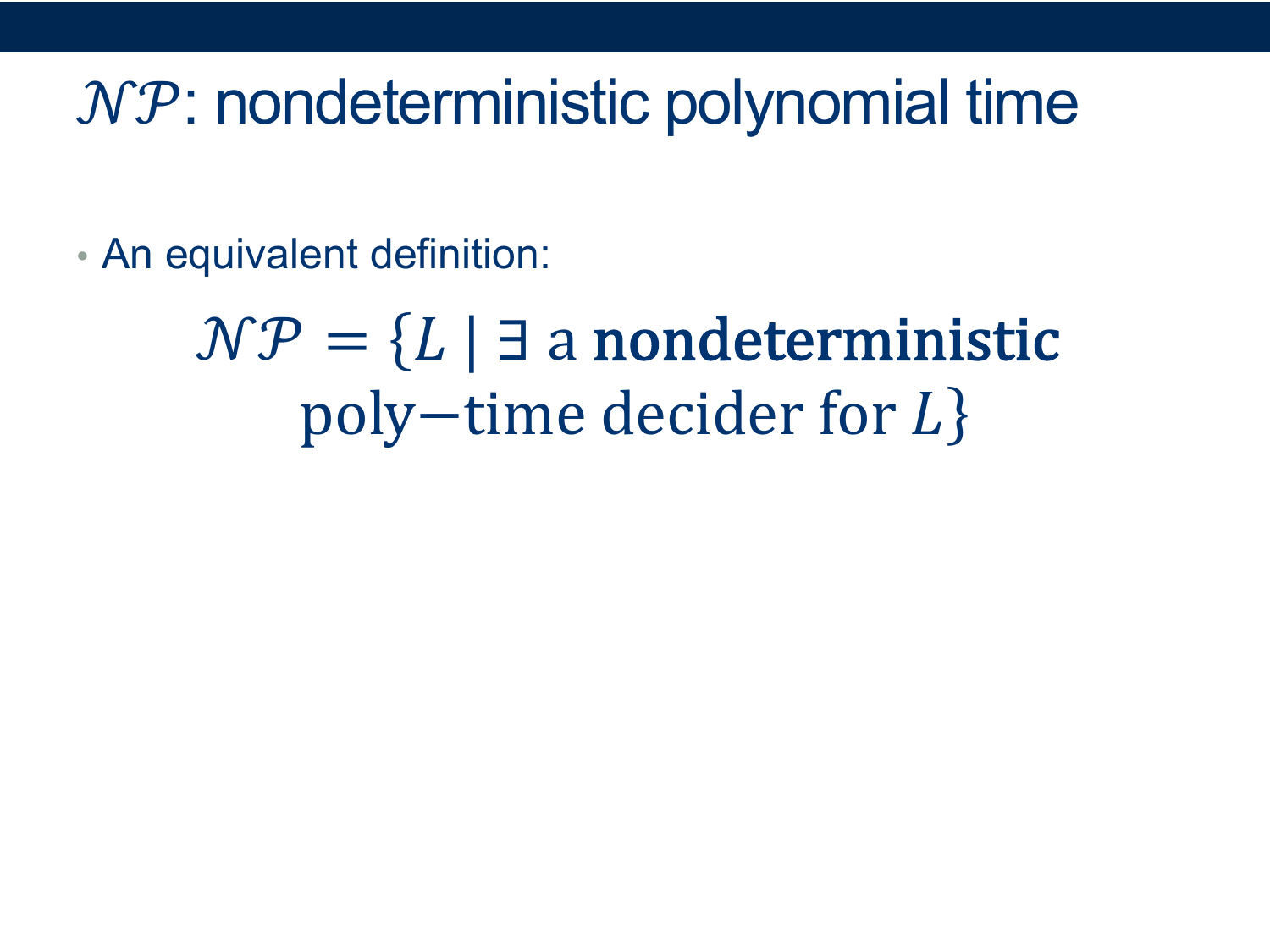
Nondeterminism: we can try multiple “branches” of computation at once The trick: each branch can only take polynomial time Nondeterministically test all subsets of vertices. On each subset: loop over all pairs in the (sub)set and check to make sure there’s an edge between them, and if so: ACCEPT - O(n^2) if no branch accepts REJECT Guaranteed to halt? YES (there’s nowhere to get stuck) What would happen if we tried to serialize all the branches?
- how many possible subsets do we have to check? $2^n$ <-- not polynomial anymore
- note: this just means that this particular algorithm doesn’t run in polynomial time, but it turns out we haven’t been able to find any polynomial-time deciders for this language