History of Computing and How Computers Work
The following page contains a tiny summary of the history of computing, followed by a link to a short quiz. In addition to the reading, you may choose to follow the links (Highlighted in blue) contained in the page and read to expand your knowledge!
Computers
The term computer refers to a mechanism or agent that aids in the completion of a computation (AKA a calculation).
These are some examples of those agents:
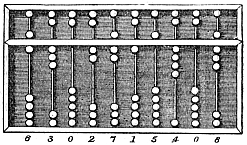
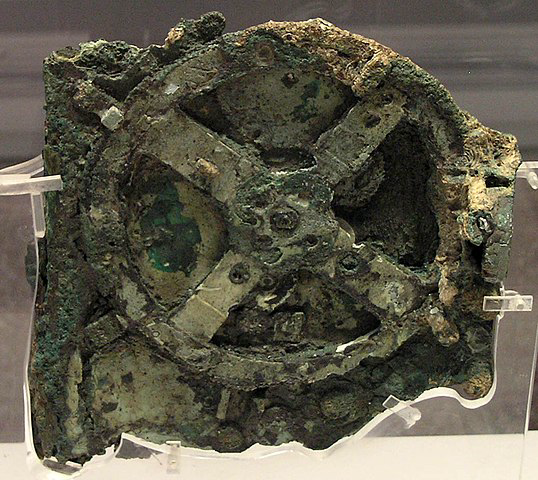
Activity: In the rightmost picture, where is the “original computer” located?
The modern term Computer refers to a mechanism that “performs calculations” automatically and that can be programmed.
Let’s look at these terms one by one:
- Automatic: refers to action independent of (human) intervention in order to perform its calculations.
- Programmable: a system whose starting conditions and rules of execution can be predefined and assigned prior to execution.
A bit of history
-
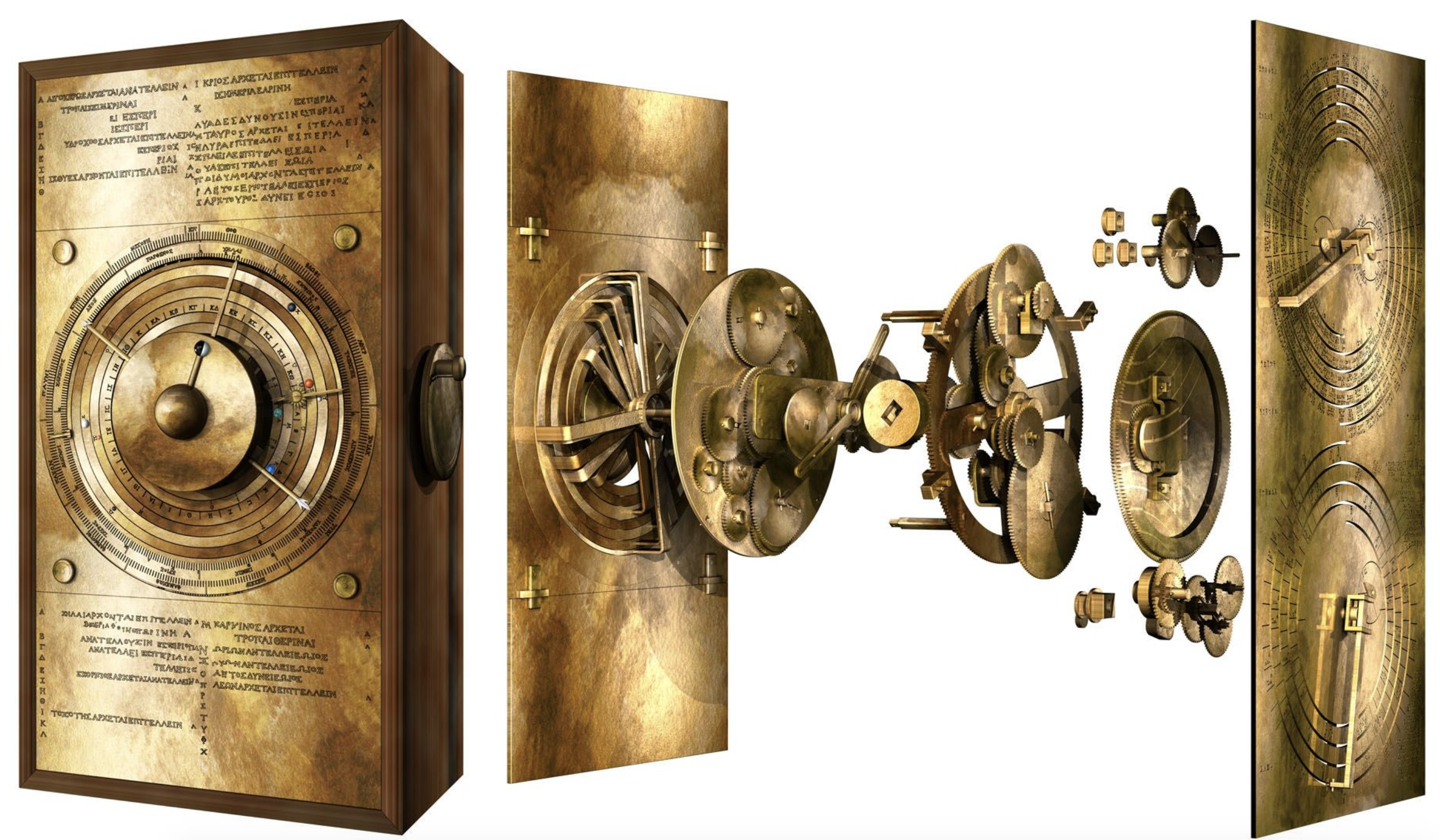
Antikythera Mechanism, built around 100 BC, was a mechanical astronomical clock.
-
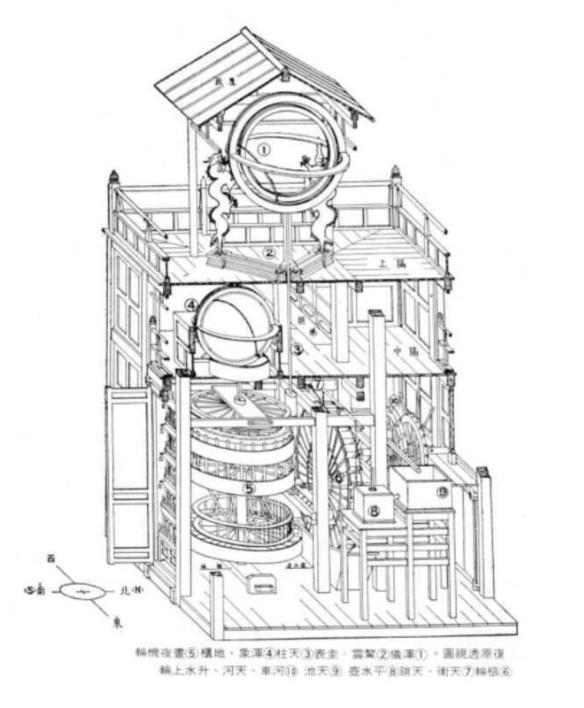
Cosmic Engine was built by Su Song in 1092 and was a hydro-mechanical astronomical clock tower;
-
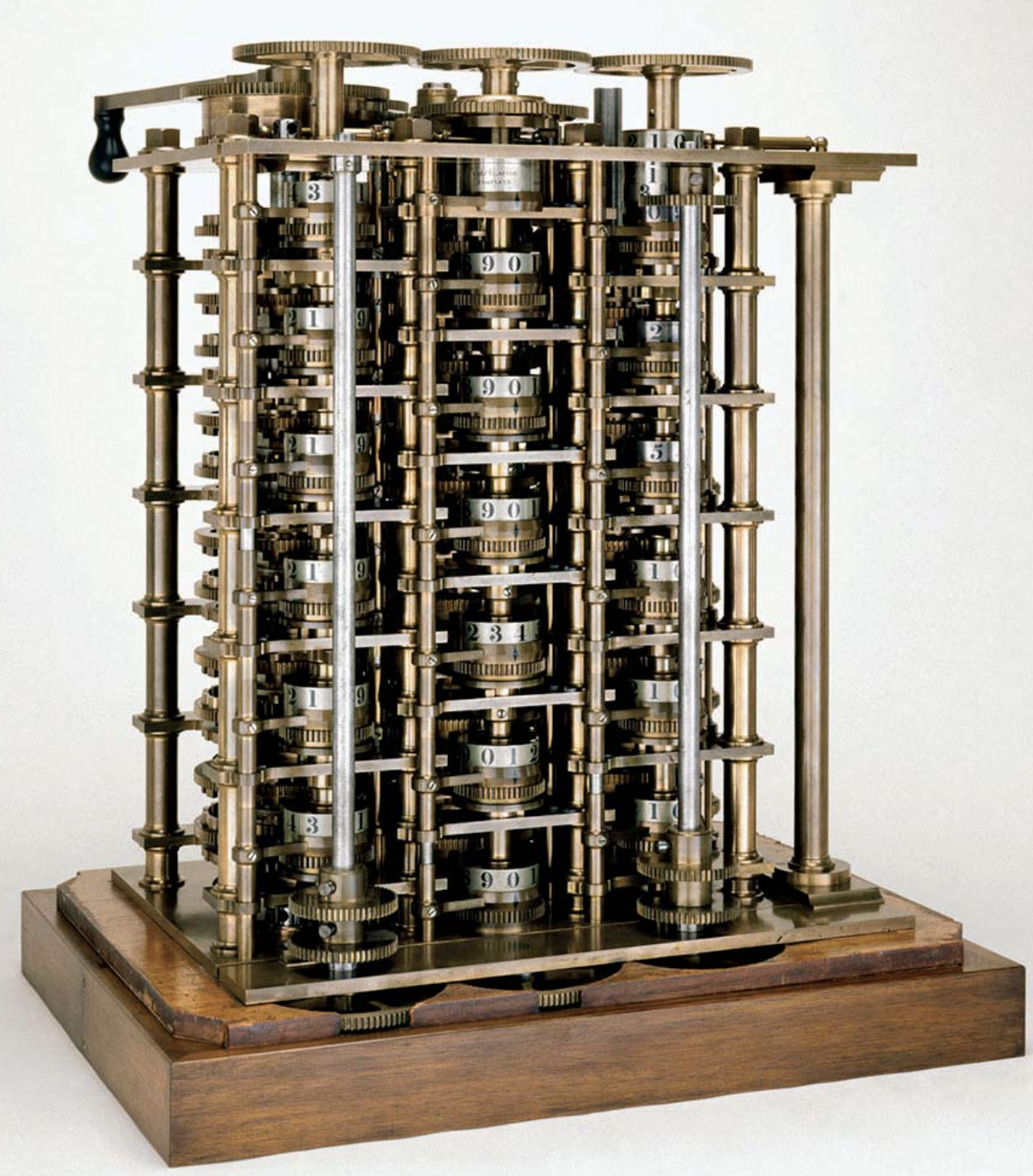
The Difference Engine, built by Charles Babbage in 1819 was a programmable calculator. It was “automatic” in that it could perform the calculations without intervention as long as someone provided power (hand-cranked).
-
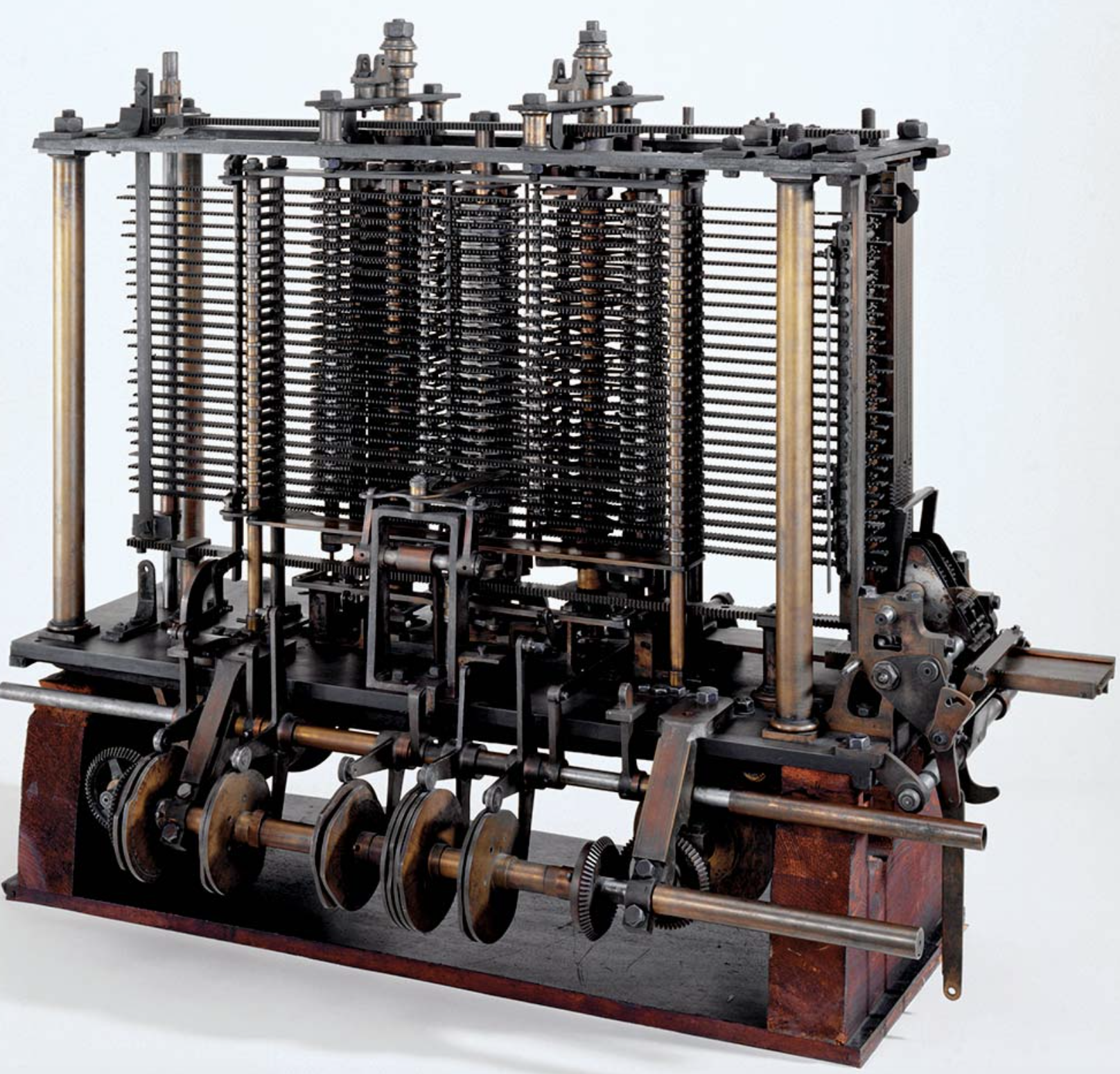
Babbage theorized a more general machine that could be programmable and could do many more things. This was called the Analytical Engine (which has not yet been built as described by Babbage).
-
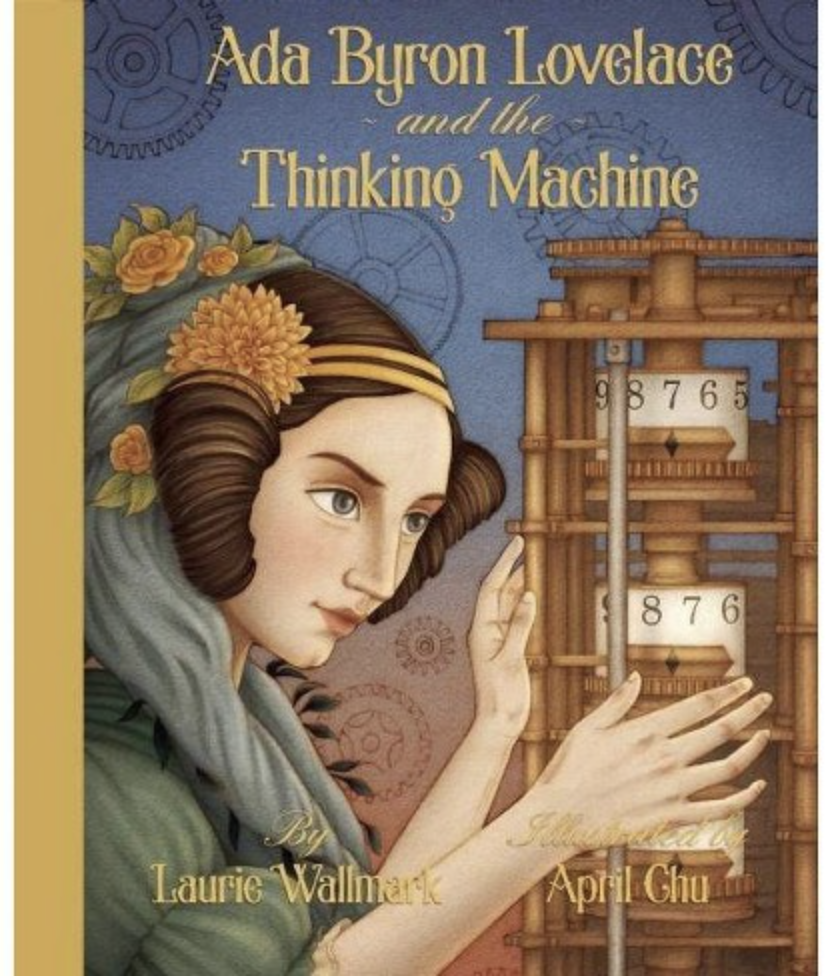
Ada Lovelace, who worked with Babbage, published the first computer algorithm and is commonly referred to as the first computer programmer.
-
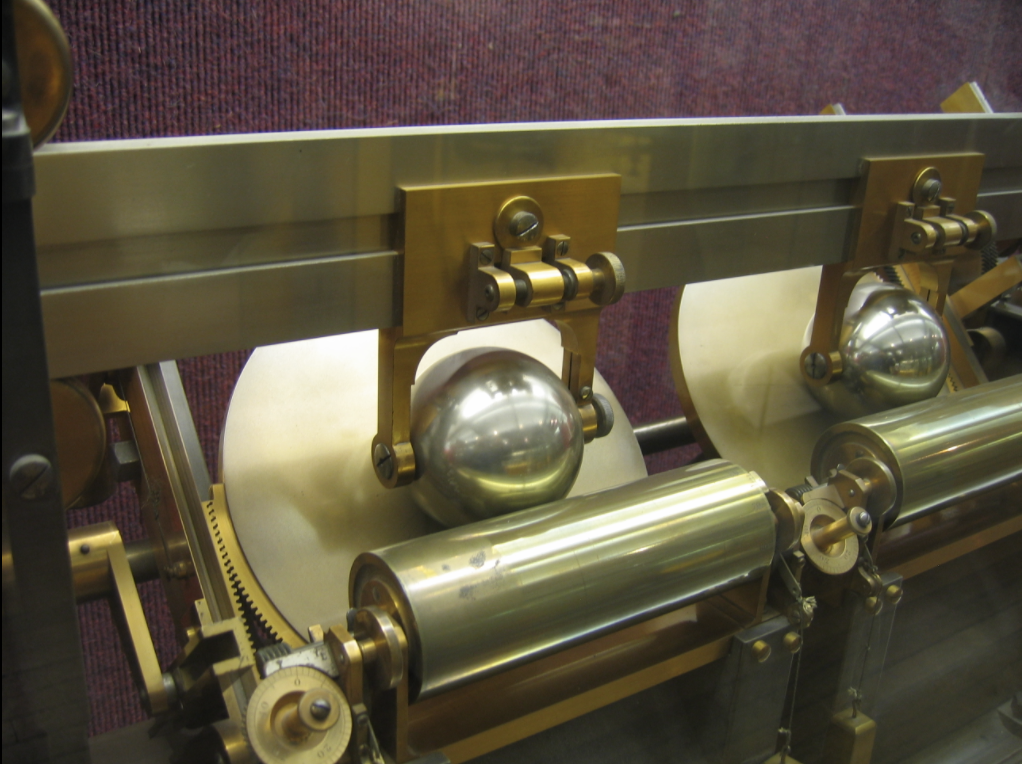
Analog mechanical computers (late 1800’s) were built to solve equations to predict all sorts of things
-
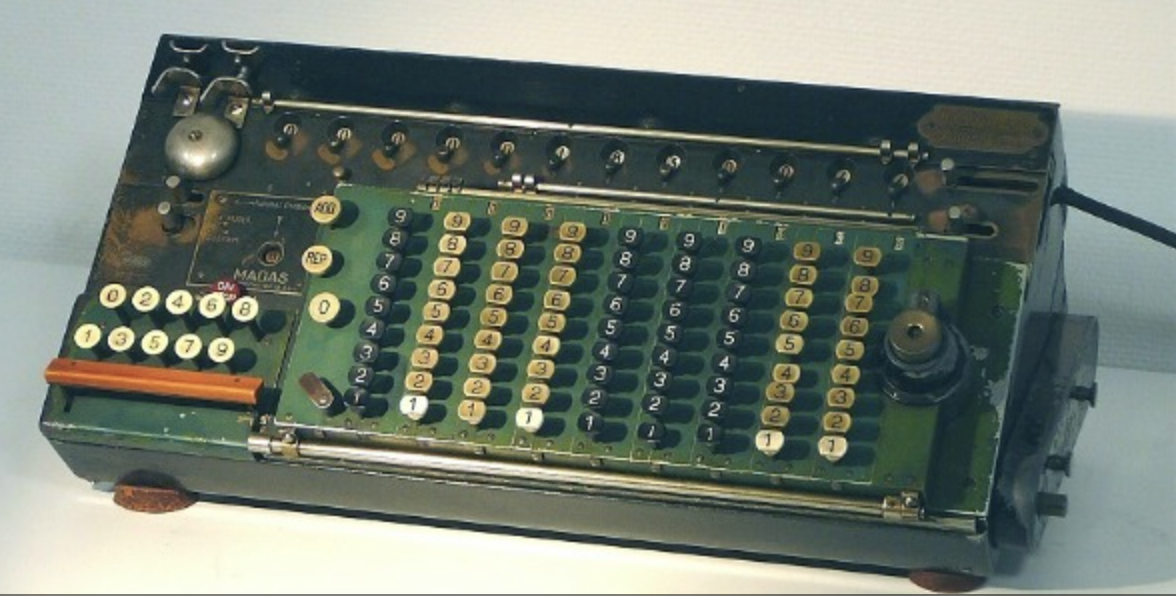
Electromechanical calculators (early 1900’s).
-
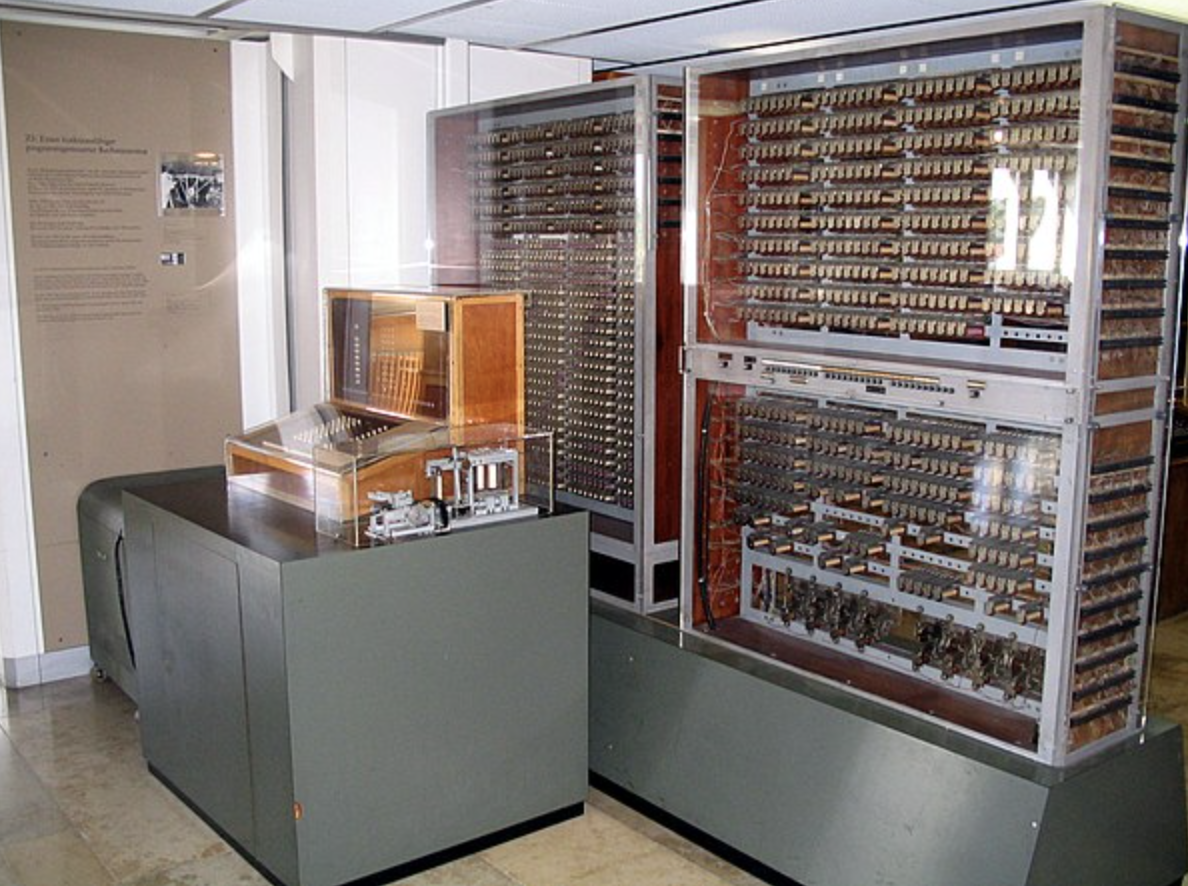
Z3 (1941) first electromechanical programmable, fully automatic digital computer.
-
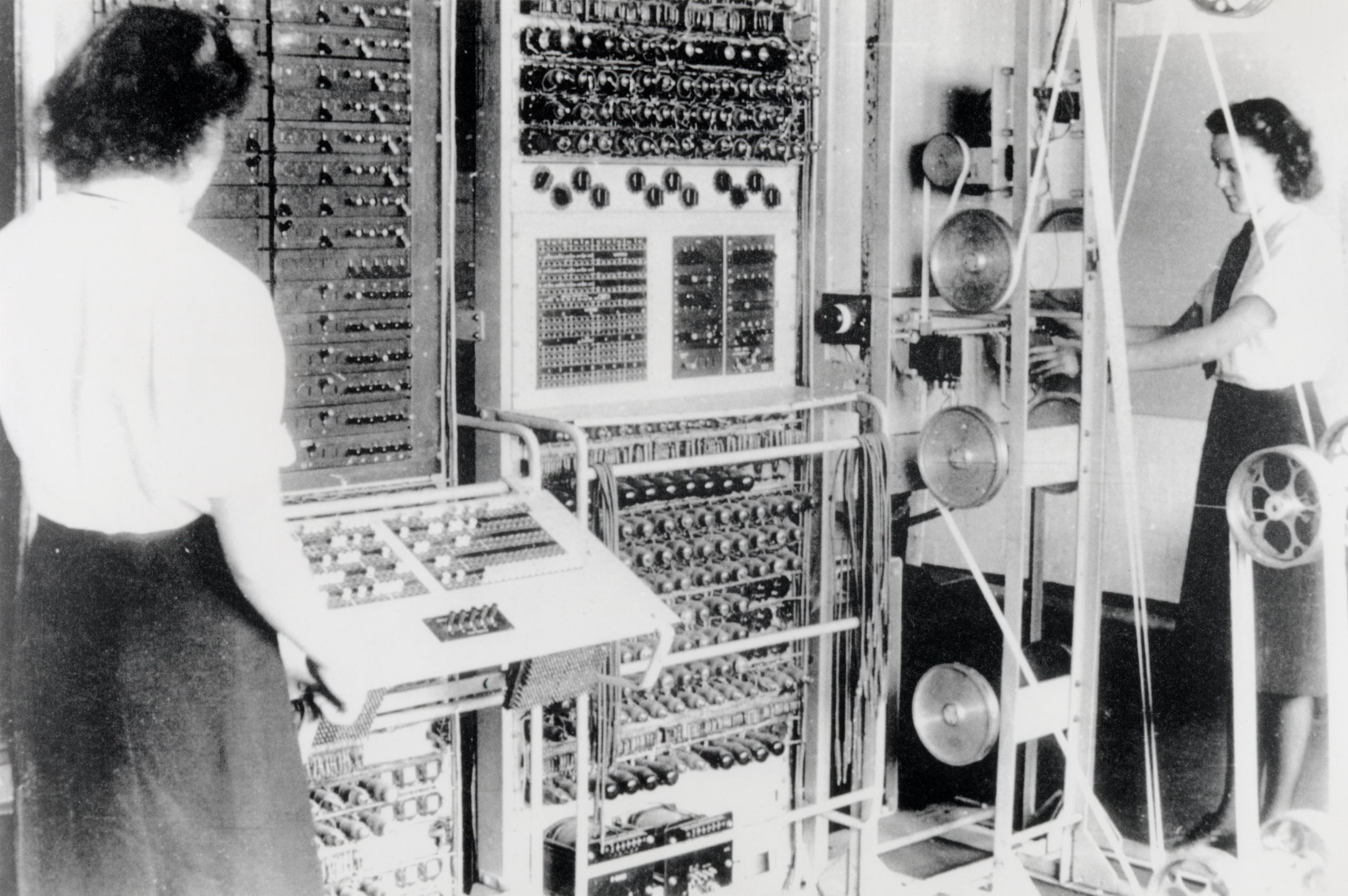
Several electromechanical computers built during WW2 to crack codes. Colossus (1943) was the first electronic digital programmable computer. “Programs” were defined by the states of its patch cables and switches.
-
The Original meaning of a “Computer” is “someone that can perform computations”; here, computations refer to calculations, with or without the assistance of an electromechanical device.
In the following image, the person performing the calculations is the “computer”.
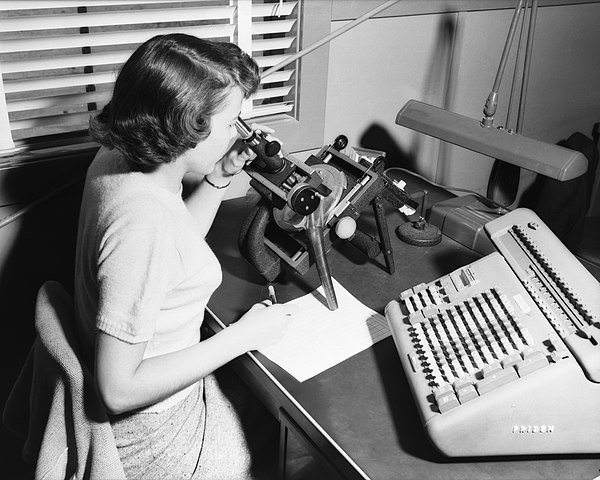
After the advent of electromechanical computers, the term “Computer” refers to the machines, rather than the people.
-
After WW2, we see an explosion in computing speed, memory capacity, and programming complexity.
The electronic stored program (see Manchester Baby) became a “thing”.
An important component is the “transistor” (more on this later) which was invented in 1947.
It allowed the construction of smaller, faster, and more efficient computers: Moore’s law postulated that the number of transistors that can be packed into a given unit of space will double about every two years.Effect… look in your pocket or wrist.

(this is from the late 80’s or early 90’s!)
Activity: Using these definitions and notes, we can ask the questions: